Featured
Table of Contents
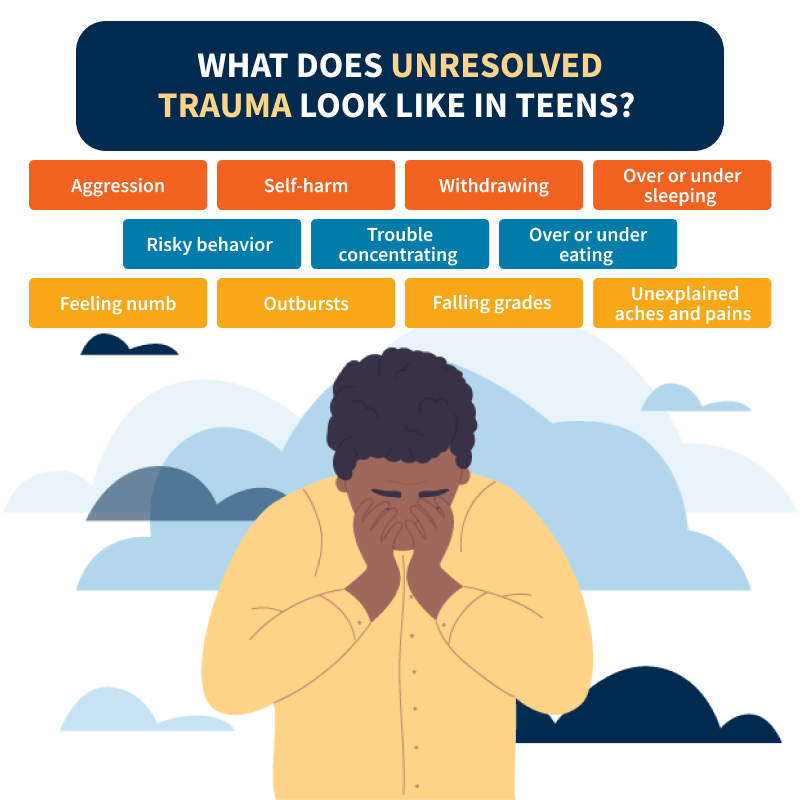
Clients could not also be conscious that their existing symptoms are attached to past stressful experiences. As a specialist, identifying these refined indicators allows you to offer ideal support and overview your clients in the direction of recovery. Unsolved injury can significantly affect a client's progression in therapy, developing obstacles that impede growth and healing.
CBT help customers in changing trauma-related thoughts and ideas that add to their distress. Via cognitive restructuring, clients learn to determine and challenge unhelpful thoughts, changing them with even more well balanced and realistic viewpoints. Mindfulness and body awareness techniques aid customers resolve physical trauma actions by enhancing their capability to control their anxious system.
Particular treatments like eye activity desensitization and reprocessing (EMDR) and trauma-focused cognitive behavior modification (TF-CBT) directly address trauma memories and their connected feelings. These techniques assist clients process traumatic experiences in a risk-free and regulated manner, reducing the strength of their trauma responses in time. When dealing with clients who have experienced injury, it's crucial to pace the restorative procedure according to their private demands and preparedness.
Creating a secure, predictable, and helpful setting is essential for clients to really feel comfortable discovering their trauma and establishing brand-new coping methods. This involves establishing clear boundaries, preserving consistency in sessions, and offering a non-judgmental area where clients really feel listened to and confirmed. The specialist plays an essential role in creating safety and security and depend on, which are vital for recovery injury.
Getting Intensive: Somatic/Polyvagal Focus in Connecticut
Trauma survivors frequently have a hard time with feelings of embarassment, sense of guilt, or self-blame associated to their injury. Specialists can aid reduce these sensations by: Recognizing that trauma reactions are regular reactions to unusual occasions.
Gradually, this direct exposure can deeply affect a specialist's worldview, spirituality, and feeling of self. Specialists ought to emphasis on self-care and look for guidance when dealing with customers who have complex trauma reactions. This consists of: Routine exercise, meditation, leisure activities, and relaxation methods can help handle stress and anxiety levels. Peer support system, guidance, and individual treatment sessions supply chances to process psychological effects and keep health.
How Accurate Diagnosis Opens Pathways to Accommodations
Dedicating time to individual connections, rate of interests, and self-care activities beyond job is necessary for general health. Specialists should likewise stay aware of their very own psychological feedbacks and just how vicarious trauma could influence their technique. This implies acknowledging common symptoms such as sadness, anger, impatience, problem concentrating, adverse ideas, social withdrawal, fatigue, and physical grievances.
Using culturally receptive solutions that deal with historical injury and relocate past stereotypes. Specialists can use various strategies to assist clients manage their trauma actions, such as basing exercises, cognitive behavioral treatment, somatic approaches, and trauma-focused therapies like EMDR and TF-CBT. Pacing the therapeutic process according to the customer's preparedness and preserving a foreseeable, supportive environment are very important for preventing re-traumatization and cultivating a feeling of control.
You may experience: Persistent headaches or migrainesMuscle tension, particularly in the neck and shouldersDigestive concerns (like IBS or queasiness)Unexplained persistent pain or fatigueIf doctors have informed you your symptoms are "simply stress and anxiety," however nothing seems to aid, your body may be keeping injury in ways you didn't understand. If any of this reverberates, therapy can aid you understand, procedure, and recover.
It's a great question, and one worth discovering deeply. While several of us make use of the words "trauma" and "tension" as if they imply the very same thing in daily conversation, there's in fact much more to recognize about exactly how injury distinctively influences our psychological health.
Assessing Real Competence vs Superficial Familiarity
Believe of trauma feedbacks as your mind and body's method of safeguarding you when something happens that feels as well big to deal with. When we experience something overwhelming or deeply traumatic, our mind kicks into survival setting.
Trauma feedbacks can appear in daily circumstances or during therapy sessions. Customers might come to be quickly set off, closed down psychologically, or react highly to specific subjects.
Customers may not also know that their existing symptoms are connected to previous traumatic experiences. As a specialist, acknowledging these refined indicators allows you to supply suitable support and overview your clients in the direction of recovery. Unsolved trauma can considerably affect a client's progress in therapy, creating barriers that impede growth and recovery.

CBT help customers in altering trauma-related thoughts and ideas that add to their distress. Through cognitive restructuring, clients learn to recognize and test unhelpful thoughts, changing them with even more well balanced and practical point of views. Mindfulness and body understanding practices aid clients deal with physical injury feedbacks by increasing their capacity to manage their worried system.
Restoring Mind-Body Connection
Details therapies like eye activity desensitization and reprocessing (EMDR) and trauma-focused cognitive behavioral therapy (TF-CBT) straight address injury memories and their associated feelings. These techniques assist customers process terrible experiences in a secure and controlled fashion, minimizing the strength of their injury actions in time. When dealing with clients that have experienced injury, it is very important to rate the restorative process according to their private requirements and preparedness.
Creating a risk-free, predictable, and supportive setting is vital for clients to really feel comfortable discovering their trauma and developing brand-new coping methods. This includes establishing clear boundaries, maintaining consistency in sessions, and providing a non-judgmental space where customers feel listened to and validated. The therapist plays a crucial duty in developing safety and trust, which are vital for recovery trauma.

Latest Posts
Nutritional Counseling Integration with Obsessive-Compulsive Disorder
Personal Worth through Cultural Transition
Addressing Comorbidity Through Anxiety